


A tribute wall to the Jewish warrior


The first war in history that ended with the victors calling for peace and the vanquished for unconditional surrender
Aba EvenThe Wall of Honor stands as a powerful testament to Jewish bravery across generations — to men and women who rose in the face of hatred, persecution, and war to defend their people and their dignity. It honors the courage, sacrifice, and unbreakable spirit of Jews who fought in armies and resistance movements around the world, embodying the strength and honor of a nation that refuses to disappear


































Aaron “Archie” M. Michalowsky
Aaron J. Blank
Aaron Landes
His life story
Rabbi Aaron Landes (October 1, 1929 – April 19, 2014)
Rabbi Aaron Landes was a distinguished American rabbi of the Conservative movement, a visionary spiritual leader in the Philadelphia area, and one of the highest-ranking Jewish chaplains in the history of the United States Navy Reserve (Active Duty: 1955-1957; Reserves: 1958-1989). His leadership spanned congregational life, Jewish education, and military chaplaincy, leaving a lasting legacy on both Jewish and national institutions.
Early Life and Education
Born on October 1, 1929, in Revere, Massachusetts, Landes was raised in a Jewish household deeply engaged in religious life and study. He graduated summa cum laude from Yeshiva University, where he served as president of the undergraduate student body, and went on to receive ordination and a master’s degree from the Jewish Theological Seminary of America in 1955.
Congregational Leadership
In 1964, Rabbi Landes was appointed Senior Rabbi of Beth Sholom Congregation in Elkins Park, Pennsylvania, one of the major Conservative synagogues in the Philadelphia region. Over a remarkable 36-year tenure, he guided the community through decades of growth in worship, education, and communal engagement, becoming a trusted spiritual presence for generations of families. After his retirement in 2000, he continued his association with the congregation as Rabbi Emeritus.
Advancing Jewish Education
Together with his wife, Sora (née Eisenberg) Landes, Rabbi Landes was a founding force behind the Forman Hebrew Day School — today part of the Perelman Jewish Day School system — addressing the need for strong Jewish educational institutions in the Philadelphia suburbs. His commitment to education reflected a lifelong belief in nurturing Jewish identity and learning across generations.
Naval Service and Chaplaincy
Parallel to his congregational work, Rabbi Landes built a noteworthy career in the United States Navy Chaplain Corps. After two years of active duty following his ordination, he served in the Naval Reserve until his retirement in 1989 with the rank of Rear Admiral — a distinction that made him among the most prominent Jewish chaplains in U.S. military history. In that role, he oversaw hundreds of chaplains and played a key role in expanding Jewish religious support within the armed forces.
Recognition and Impact
The Times of Israel noted that Rabbi Landes “managed some 700 chaplains as head of the Chaplains Corps” and highlighted his dual success both as a pulpit rabbi and as a senior military chaplain. His daughter described him as “highly intelligent and highly creative” in his professional pursuits.
Passing and Legacy
Rabbi Aaron Landes passed away on April 19, 2014, at the age of 84 after a battle with leukemia. His life and work left an indelible mark on Jewish religious life, education, and military chaplaincy. At Beth Sholom and beyond, he is remembered for his leadership, warmth, and enduring commitment to both faith and service.
Gallery

Abba Kovner
Mention of other boards related to him
Aaron J. Blank brother
Aaron Landes sister
Abraham A. Rosenfield brother
Abraham Sheps father
Abraham Greenberg father
His life story
Abba Kovner (1918–1987) was a Jewish poet, partisan leader, and one of the most powerful voices of Jewish resistance during and after the Holocaust
He was born in Sevastopol (then part of the Russian Empire) and raised in Vilna (Vilnius), which was a major center of Jewish culture and intellectual life. As a young man, he was active in Zionist youth movements and was already writing poetry
When the Nazis occupied Lithuania in 1941, Kovner was confined to the Vilna Ghetto. There, in December 1941, he issued one of the earliest calls for Jewish armed resistance. In his famous manifesto, he warned that Hitler intended to destroy all Jews and urged: “Let us not go like sheep to the slaughter.” At a time when the scale of the genocide was still hard to comprehend, this was a bold and historic declaration
Kovner helped organize the United Partisan Organization (FPO) in the Vilna Ghetto. After the ghetto was liquidated in 1943, he escaped to the forests and fought as a partisan against the Nazis and their collaborators
After World War II, Kovner was involved in the underground movement Nakam (“Revenge”), which sought retribution against Nazis for the murder of European Jewry. Though large-scale revenge plans were never fully carried out, this period reflected the profound trauma and anger felt by survivors
He later immigrated to the land of Israel, settled in Kibbutz Ein HaHoresh, and became an important literary figure. During Israel’s War of Independence, he served as a cultural officer in the Givati Brigade and wrote influential battle leaflets that shaped morale and national narrative
In the decades that followed, Kovner became one of Israel’s most respected poets. His writing wrestled with memory, loss, moral responsibility, Jewish identity, and the meaning of survival. He testified at the Eichmann trial in 1961, helping bring the voice of resistance and survivor testimony to the world stage
Abba Kovner’s life represents a rare combination of fighter, moral voice, and poet — a man who not only resisted physically during the Holocaust but also shaped how its memory would be understood in Jewish and Israeli consciousness


Abraham A. Rosenfield
Abraham Goldfarb
Abraham Greenberg
Abraham Hochberg
Abraham Sheps
Adam L. Johnson
Al Atterman
His life story
Born in Cologne Germany 1924
Immigrated to the US (Newark,NJ) 1938
Inducted into the US Army 09/05/1943
Naturalized before going overseas 10/11/1944
Wounded in action in theAsiatic-Pacific campaign 03/19/1945
Received the Purple Heart
Honorable discharge 04/08/1946
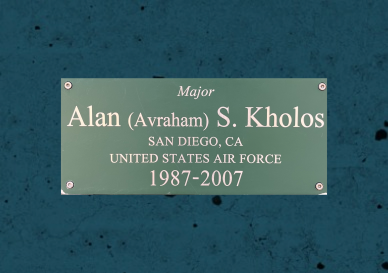
Alan (Avraham) S. Kholos
Alan Chaim Jablin
Alan M. Winner
Alan Matisoff
Alan R. Edelson
Albert Antebi
Albert Berner
Albert E. Lerman
Albert Fisher
Albert H. Paul
Albert I. Rosenblum
Albert Strom (Goldstrom)
Alex Kivitz
Mention of other boards related to him
Alex Polowin
Alexander M. Schindler
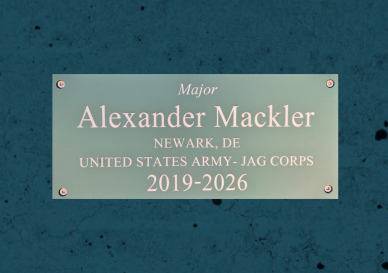
Alexander Mackler
Alfred Cohen
Alfred Greenberg
Alfred Heyman
Alina Matz
Allen Tucker
Alvin Katz
Alvin M. Sarnoff
Alvin Richelson
Amir Sheikh
Mention of other boards related to him
Ariel Kotler
Ariel Sharon
His life story
Ariel Sharon was a towering and controversial figure in Israeli history whose life spanned the nation’s most critical military and political milestones. Born in 1928, he joined the Haganah at a young age and distinguished himself as a brilliant, daring military commander, famously leading the elite Unit 101 counter-terrorism operations in the 1950s and orchestrating the critical crossing of the Suez Canal during the 1973 Yom Kippur War. Transitioning to politics, he co-founded the Likud party, served in numerous ministerial positions—most notably as Defense Minister during the 1982 Lebanon War—and became a champion of the West Bank settlement movement. Elected Prime Minister in 2001 during the height of the Second Intifada, Sharon surprised both allies and rivals by executing the dramatic, unilateral disengagement from the Gaza Strip in 2005 and forming the centrist Kadima party, a political realignment cut short when he suffered a debilitating stroke in early 2006, leaving behind a complex legacy as both a fierce warrior and a pragmatic statesman.
Arnold B. Gordon
Arnold Shulman Hon
Aron Breidbord
Arthur Blank
Arthur C. Raisfeld
Arthur Goodman
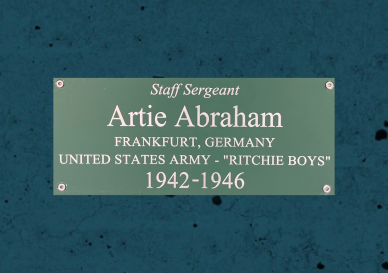
Artie Abraham
Avigdor Kahalani
Avihu Yaakov
Mention of other boards related to him
Avram M. Cooperman
Avrum M. Chudnow
B.J. Finestone
Barnett George Lonstein
Bela Wilkowitz
Ben Fishel
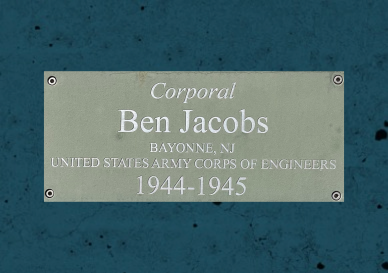
Ben Jacobs
Ben M. Mandelkorn
Mention of other boards related to him
Benjamin J. Waldman
Beno Herz

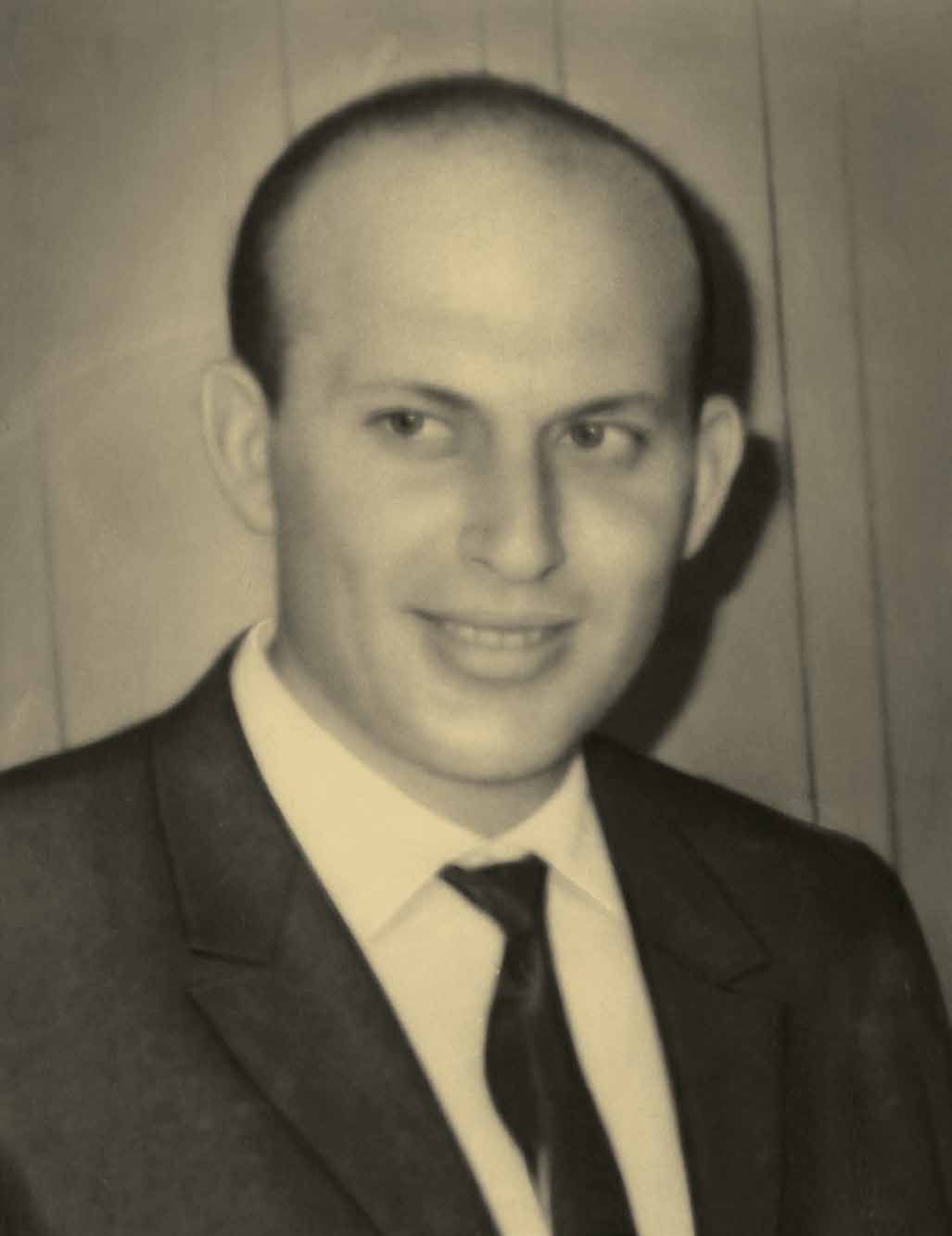
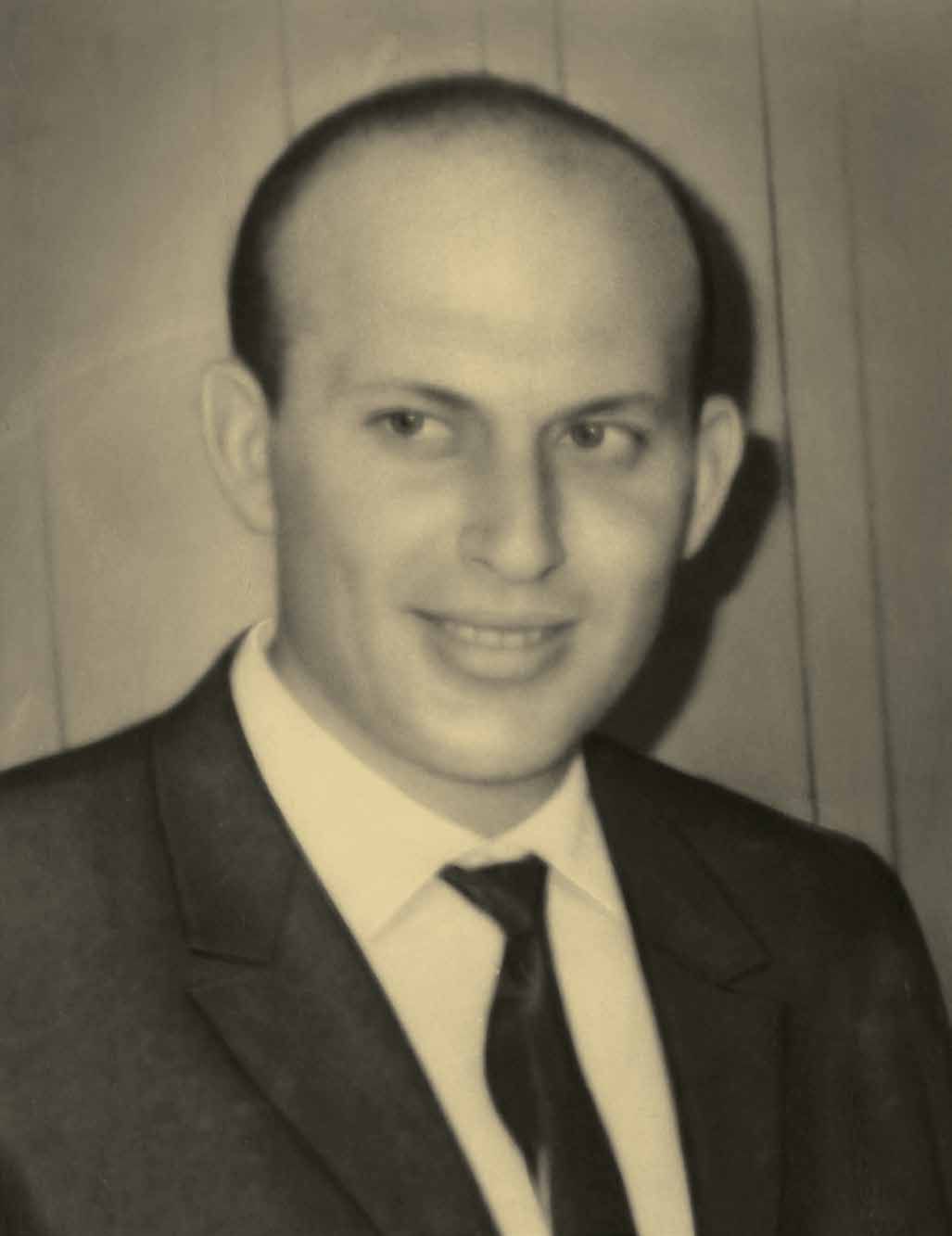
Bernard B. Riman
Bernard Berner
Bernard Goldstone
Bernard H. Philipson
Bernard Kessler
Bernard Levine
Bernard Nathan Strauss
Bernard S. Stern
Bernard S.Levin
Berwyn N. Fragner
Beth Jordana Banks
Bilhah Zibersky
Boris Katz
Bruce A. Mallin
Bruce L. Metzger
Burton S. Kruglick
Byron Davidson
Byron Grey
Byron R. Goldman
Captain Alfred M. Mintz
Cary Besmanoff
Chai Kalomiti
Mention of other boards related to him
Charles B. Salfeld
Charles S. Allen
Mention of other boards related to him
Charles Silver
Mention of other boards related to him
Clark Kholos
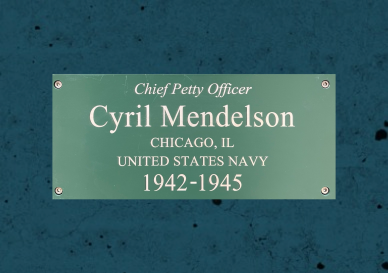
Cyril Mendelson
Cyrus Wolf
Dan Broida
Daniel “Danny” Springer
Daniel Gebel
Daniel Heilicher
Daniel J. Agami
Daniel J. Baker
Daniel Jacobson
Daniel Kivitz
Mention of other boards related to him
Daniel P. Randolph
Mention of other boards related to him
David “Mickey” Marcus “Stone”
David Alfred Westerkamp
Mention of other boards related to him
David Charles Randolph
Mention of other boards related to him
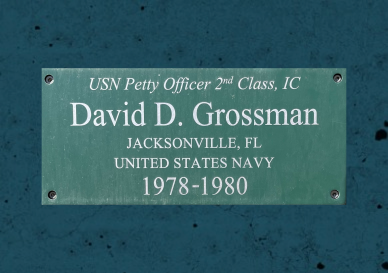
David D. Grossman
David Jeffrey Spira
David Joshua Goldenberg
David Kampf
David Kost
David L. Leven
David M. Shames
David Matisoff
David Moshe Antebi
David Sabbethai Baruch
David Zeller
Donald I. Rosenfeld
Mention of other boards related to him
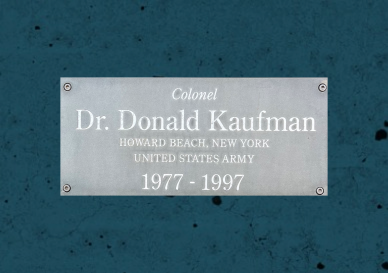
Donald Kaufman
Donald L. Ransenberg
Mention of other boards related to him
Dr. Frederick Pritz
Dr. Isadore Edward Fox
Dr. Jack Solway
Dr. Joseph Shuster
Dr. Lawrence Nessman
Dr. Michael Diamond
Dr. Paul Jurikson
Dr. Seymour Calvert
Dvir Mor-Chaim
Edgar J. Hecht
Edward A. Lust
His life story
My father who grew up (well at least until age 18 when he was forced to leave) in Europe, in an orthodox home, who throughout his life clung to his Judaism in different ways.
On May 10, 1940, the Nazis invaded Belgium, where my father and his family were living at the time. My grandfather, Israel Lust, came home and told his family to gather their most precious belongings, as they would be leaving their home. And on May 14, 1940, their family of 4, my grandparents, Israel and Helen Lust, my uncle Jack Lust, age 17, and my father, Adolph, age 18 (who later renamed himself Edward for obvious reasons), got into their Citroen and began driving south. They drove through Belgium, France, Spain, and crossed by ferry into Morocco, where .they lived for 3 years
In May 1943, they managed to get visas to leave Morocco, flew to Lisbon, Portugal, and got on the last boat to leave Portugal and travel to the United States. They entered the Port of Philadelphia in November 1943, and went to New York to live with cousins. Just 6 months later my father found himself in the US Army, was naturalized as a US Citizen, and went on to be sent back to Europe where he served as a translator in the third armored division.
On September 26, 1944, my father went to his superior, Major General Maurice Rose, and requested some time to pray, telling the Major General that it was his people’s holiest day of the year. Not only did he get permission, but he learned that the Major General was Jewish, asking my dad to say Kaddish for him (in memory of his lost relatives).
My father, all of 5’4” tall, 120 pounds, spoke with such a commanding voice that he was able to convince a farmhouse full of Germans to surrender their weapons as he yelled at them in German to disarm and exit the farmhouse. For this he was awarded the Bronze Star.
My father – petite but mighty – fought for a country in which he was not born but was now forced to live and defend.

Edward Attman
Edward Devore
Edward Diamond
Edward Goldfeder
Edward Paley
Eitan Mordechai Newman
Eli Bross
Eli Brown
Eli Frank
Ephraim Weinberg
Ernest H. Weiner
Mention of other boards related to him
Ernest Stephen Lembersky
Esther Arditi
Mention of other boards related to him
Esther Rachel Kauffman
Eugene J. Eder
Fae Barsky Gedz
Fred B. Cowan
Frederick R. Merriam
Gary London
Mention of other boards related to him
George B. Kaufman
Mention of other boards related to him
George C. Burnett
George Flam
George Hantgan
George Levine
George Rattner
George Schiller
Gerald Lenrow
Gerald Levine
Gerald Lloyd Isaacs
Gerald M. Richman
Gerald Mark Cooperman
Gerard M. Degenstein
Gideon Bar
Gilbert Finglass
Gilbert M. Block
Gladys Lonstein Gaman
Mention of other boards related to him
Gustave Maier
Gustave Schubach
Hadar Goldin
Hannah Senesh
His life story
TEST


Harold Barron
Harold Buzen
Harold Fleisher
Mention of other boards related to him
Harold Goldstein
Harold L. Wilshinsky
Harold Rosenberg
Harold S. Altman
Harry Auerbach
Harry Berenson
Harry Bolotin
Harry Cooper
Harry Effron
Harry H. Schaffer
Harry M. Coven
Harry Stein
Harry Weiss
Harry Zeller
Harvey Hertz
Haskell Saxe
Henry Appelbaum
Henry Appelstein
Henry Birnbrey
Mention of other boards related to him
Henry D. Dubin
Henry Holtzman
Henry Hook
Henry Mandel
Henry Sperber
Henry Stein
Henry Z. Friedlander
Herbert A. Yoskowitz
Herbert Bearman
Herbert N. Sodden
Herbert Werner
Herman Brettholz
Herman Charles Weinberg
Herman Friedberg
Herman Kessler Moore
Herman M. Margules
Herman Silver
Mention of other boards related to him
Hertzel Harrison
Mention of other boards related to him
Homer Gordon
Howard Kestenberg
Howard R. Woolf
Howard Weisbrot
Hunter A. Grossman
I. Walter Werner
Ido Zairi
Irv Pearlstein
Irving Benedon
Irving Effron
Irving Goldsmith
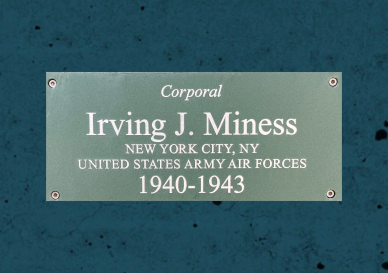
Irving J. Miness
Irving Levine
Irving Levine
Irving Saltzman
Irving Smith
Irving Wilshinsky
Irving Wunder
Irving Zeller
Isaac “Ike” Taffel
Isaac L. Krupnick
Isaac Shoshan
Isaac Tarnofsky
Isadore Kozatch
Ishai Hizami
Isidore Levine
Mention of other boards related to him
Israel Sol Kushner
Israel Weinberg
J. Gene Hochfelder
Jack Bold
Jack Farj Rafael Jacob
Jack H. Schwartz
Jack Hoffman
Jack Needle
Jack Sherman
Jacob “Jack” Steinbrock
Jacob (Jack) Glaser
Jacob Beck
Jacob Dienstag
Jacob Goodman
Jacob Katz
Jacob Oppenheim
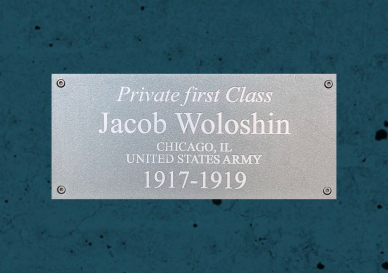
Jacob Woloshin
Jacob Y. Finkelstein
Jacqueline Mae Zaluda
His life story
On July 7, 2010, upon graduation from High School, Jacqueline Mae Zaluda Matzkin, left the comforts of her home in Chicago, Illinois, to make Aliyah. After spending her first year in a mechina kedem tzvait (a pre-army preparatory program), being the only American in her cohort, she drafted in August 2011 to the IDF, Armored Corps Division. She served as a mortars commander, went on to officers course at bahad 1, served as an officer in the paratroopers unit, in the foreign affairs unit, and in the foreign relations division of the Israeli Navy. She was finally released with the rank of Lieutenant toward the end of 2015.
Jacquie came to Israel at age 18 not to fight in the Israeli army, but to become Israeli, knowing that serving in the IDF was her obligation. She has remained in Israel, and is now married and raising her family there. Jacquie, like her Poppy (Edward A Lust) before her, petite but mighty, served a country in which she was not born. But unlike her Poppy, her service was her choice, knowing that the future of Israel and our people depended on it.
Gallery


James Neil Goldberg
Mention of other boards related to him
Jared L. Cohen
Jason Korsower
Jay Michael Meiselman
Jerome Adrian Schine
Jerome B. Spitzer
Jerome Berliner
Jerome H. Unatin
Jerome J Shestack
Jerome J. Kaufman
Jerome Perlman
Jerry Bassof
Jerry Bassoff
Mention of other boards related to him
Jerry G. Fleishman
Jerry M. Morgan
Joel Abramson
Joel J. Forman
Joel Rosenberg
John T. Lindholm
Jordan Bensemhoun
Jordan Werner
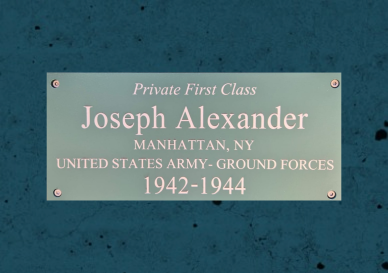
Joseph Alexander
Joseph Barry
Joseph Bruno
Joseph Chudnow
Joseph Hess
Joseph Honigman
Joseph I. Warech
Joseph Koenig
Joseph Kopelson
Joseph Koppelman
Joseph Lizerbram
Joseph M. Siegman
Joseph Meyer Cohen
Joseph Mintz
Jules David Cohn
Julia E. Cohen
Julius Lefkowitz
Julius Sapperstein
Keven Miller
Kurt Zion
Lainey Paul Richler
Mention of other boards related to him
Lavi Zamir
Mention of other boards related to him
Lawrence A. Walker
Lawrence Silver
Mention of other boards related to him
Leland Ray Marcus
Leo Heilbrunn
Leo Kelman
Leo Michaels
Leon J. Sloane
Leon M. Kruger
Leon Tisser
Leonard Burgin
Leonard C. Ginsberg
Leonard Frederick Conrad
Leonard H. Sherman
Leonard H. Siegel
Leonard L. Friedel
Leonard R. Wilensky
Mention of other boards related to him
Leonard S. Hirsch
Lester Markowitz
Lester Matz
Lester Mintz
Li (Lilic) Mat
Mention of other boards related to him
Liad Levi
Mention of other boards related to him
Lloyd R. Rauch
Louis Menick
Louis Philipson
Louis Pollack
Louis Quentin Moss
Louis S. Isaacson
M. Bernard Resnikoff
M.P. (Mike) Frank
Malcolm Jozoff
Malcom S. Scar
Manfred “Pops” Nathan
Manuel Krupin
Manuel M. Rogoff
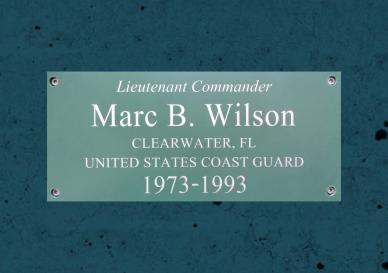
Marc B. Wilson
Marc Joseph
Marcel Kheir
Mention of other boards related to him
Marchel Charles Tevelson
Mark Chazin
Mark Wolfson
Martin “Ike” Flam
Martin Fleischer
Martin Greenberg
Martin O. Fleisher
Mention of other boards related to him
Marvin Alfred Spira
Marvin E. Dinesman
Marvin Herring
Marvin J. Freidkin
Marvin Kaplan
Marvin L. Levin
Matthew R. Seidler
Maurice Fischman
Maurice Ofstein
Maurice S. Stein
Maurice Sherman
Maurycy Silber
Max Cohen
Max Donald Steinberg
Max Hirz
Max Levin
Mention of other boards related to him
Max Richter
Max Schwartz
Meir Michail Furman
Melvin Harold Klipper
Melvin I. Feit
Melvin Saxe
Melvyn R. Waldman
Mervin L. Quartner
Michael Behr
Michael Caplan
Michael Joshua Mendelsohn
Michael Karp
Michael R. Siegal
Michal H. Block
Milan H. Dusik
Mildred Sbar
Milton Edward Vlosky
Milton Leifer
Milton Popowsky
Milton Rosenberg
Milton Strellis
Milton Weinberg
Mira Ben Ari
Mention of other boards related to him
Mitchell L. Flint
Moises L. Herszage
Monroe Wingate
Mordehai Gur
Morrie Benson
Morrie Rosenmayer
Morris Flaum
Morris Joseph Block
Morris M. Banks
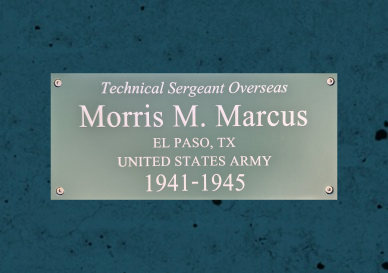
Morris M. Marcus
Morris Schwartz
Morris Weinberger
Morris Yellis
Mortimer A. Geisler
Morton A. Michel
Morton H. Goldberg
Morton Komisar
Morton Krosnick
Morton Potasnik
Murray A. Kivitz
Mention of other boards related to him
Murray H. Dashe
Murray Shapiro
Myer M. Dashe
Nachman Kataczinsky
Nat Peshkin
Natan Bar Yadin
Nathan A. Tarler
Nathan Zeller
Newton Rosby
Nissim Sean Carmeli
Norman Aronson
Norman Blumberg
Norman Gross
Norman Weiss
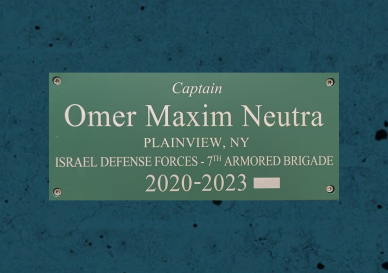
Omer Neutra
Orazio Russo
Mention of other boards related to him
Orde Charles Wingate (Hayadid)
His life story
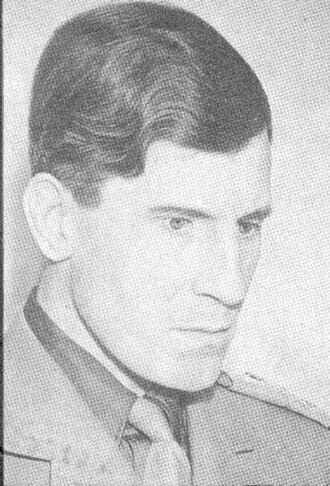
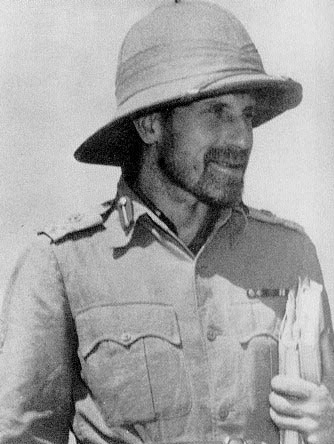
Orde Charles Wingate was born in India in 1903 into a military family and raised with a deeply traditional Christian education focused on the Scriptures, a background that fostered the independent thinking and deep connection to the Land of Israel he demonstrated when posted to Mandatory Palestine as a British intelligence officer in 1936. There, he became a passionate supporter of the Zionist cause and fundamentally transformed Jewish defensive capabilities during the Arab Revolt by creating the Special Night Squads, an elite counter-terrorism unit of British and Haganah fighters that transitioned local forces from static defense to proactive, nighttime offensive operations. This revolutionary approach successfully secured the northern region, and by mentoring future leaders like Moshe Dayan and Yigal Allon, Wingate earned the enduring nickname “The Friend” (HaYedid) and is remembered today as a foundational figure in shaping the tactical doctrine of the future Israel Defense Forces.
Gallery
Personal documents
Oren Simcha Noah
Oscar Kach
Oscar Lobe
Paul C. Maier
Paul Jeser
Paul S. Frommer
Paul Scheinberg
Paul T. Wigoda
Paz Eliyahu
Mention of other boards related to him
Pearl (Eisenkraft) Brooks
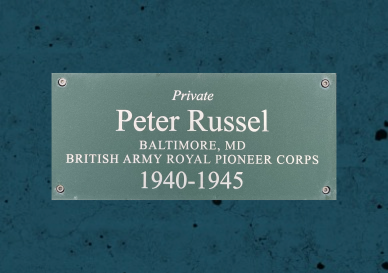
Peter Russel
Mention of other boards related to him
Phil Mobell
Philip A. Brodie
Philip Len Pollak
Philip Milton Sternfeld
Philip Narrow
Philip Suna
Philip Yankofsky
Phillip L. Stanger
Pinchas (Bini) Steiner-Avni
Mention of other boards related to him
Private Alfred M. Mintz
Rabbi Herbert H. Rose
Ralph A. Webner
Ralph Fisher
Ralph I. Klein
Ralph Klein
Ralph Mandel
Ralph Mezrow
Ralph Weil
Raphael Ayalon
Raymond H. Wittcoff
Raymond Segel
Regina (Ginat) Plahchinsky
Richard (Reuven) E. Matz
Richard A. Robinson
Richard Frost
Richard Krosnick
Richard Rosenberg
Richard Rynd
Richard Willstatter
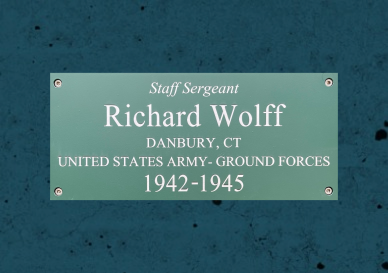
Richard Wolff
Robert E. Chertkof
Robert Feldman
Robert I. Werner
Robert L. Gordon
Robert M. Lait
Robert Schechner
Robert Silver
Mention of other boards related to him
Robert Zuckerman
Ron Yitzhak Kukia
Rosa Rosenberg
Rose Lubin
Roslyn Schulte
Russell Millman
Ruth Ann Randolph
Mention of other boards related to him
Ruth Muscal
Ryan M. Boyd
Salomon Rudolf
Sam Goldberg
Sam Schlanger
Samuel (Shimon) Albert Gendell
Samuel A. Shuster
Samuel A. Wolfson
Samuel Grossman
Samuel Hilton
Samuel Lubitz
Samuel Shube
Samuel W. Blank
Sanford Feinman
Saul “Simcha” Wiesel
Saul S. Lipkin
Seymour “Zoom” Fleisher
Mention of other boards related to him
Seymour Gebel
Seymour Lipman
Seymour O. Koenigsberg
Shahar Dauber
Mention of other boards related to him
Shai Gilay
Shalev Shahar
Mention of other boards related to him
Sheldon Sherman
Mention of other boards related to him
Sherman D. London
Shimon “Katcha” Cahaner
Shlomi Bernstein
Shlomo Bababeygy
Shomrim Society of Illinois
Shraga Kurz
Si Weisman
Sidney B. Parmet
Sidney Faber
Sidney Kraines
Sidney Singer
Mention of other boards related to him
Sidney T. Wexler
Sidney W. Paul
Skip Lederman
Sol Borenstein
Sol Kaplan
Solomon Altit
Solomon Joseph
Solomon Zam
Stanley E. Epstein
Stanley Goldstein
Stanley Greenberg
Stanley L. Fischer
Stanley Wolf
Stephen A. Kramer
Steve Solomon
Steven T. Berns
Stewart Schencker
Stuart Schreiber
Sydney A. Orel
Sydney Shuman
Ted Bystock
Theodore Johnston
Theodore Kopkin
Theodore Lavoot
Thomas I. Nadler
Tzion Lugasi
Mention of other boards related to him
Volodymyr Zelenskyy
Mention of other boards related to him
William “Bill” Mackoff
William “Bull” Sillins
William Brod
William Harrison Canin
William L. Engel
William Moses Lubel
William Shemin
William Spitalny
William Wolfson
William Woolf
William Zeliger
Wolfe Maier Hyman
Yaacov D. (Jeno) Katz
Yaakov Shimoni
Yair Richler
Mention of other boards related to him
Yankel Gringlas
Yedidya Harush
Yitzchak Birger
Yitzhak Sadeh
Yochanan (Yoni) Berger
Yuval Haiman
Yuval Zilber

